Tow Truck Light Laws in Connecticut, Massachusetts & New York: What Operators Need to Know
Getting your tow truck’s warning lighting wrong isn’t just a compliance issue — it’s a visibility problem on a live highway, and the two are connected more than people think. Here’s exactly what Connecticut, Massachusetts, and New York require, plus a few practical notes for anyone running routes across state lines.
Why Warning Lights Matter More Than People Realize
Roadside deaths involving tow operators and highway workers are a persistent problem industry-wide, which is part of why “move over” laws exist in nearly every state, including all three covered here. These laws require passing drivers to slow down or change lanes when they approach a stopped tow truck with its warning lights active.
New York’s version of the law was expanded in 2012 specifically to cover tow trucks and other hazard vehicles, not just police and emergency responders. You can read the background in this New York Daily Record piece on the 2012 move-over law expansion. But a move-over law only works if the lighting doing the warning is visible, functional, and actually compliant. A burned-out bulb or an outdated halogen beacon is a gap in the one thing standing between your operator and a moving vehicle.
Tow Truck Light Laws in Connecticut, Massachusetts, and New York
This isn’t legal advice, confirm specifics with your state DMV or legal counsel, but it’s a solid starting point for anyone outfitting a truck or double-checking an existing setup.
Connecticut
Connecticut law is fairly permissive for tow operators. Under Connecticut General Statutes § 14-96q, wreckers registered under state towing statutes may use a yellow or amber light, including a flashing amber light, without needing a separate permit from the Commissioner of Motor Vehicles. A 2023 Connecticut General Assembly research report comparing tow truck light laws across the Northeast confirms Connecticut sticks to amber and yellow only — no blue, red, or green options for tow trucks here.
Bottom line for CT operators: amber/yellow, steady or flashing, no permit required for a registered wrecker.
Massachusetts
Massachusetts regulates tow truck lighting under 540 CMR 22.00, the state’s motor vehicle equipment regulations (full text available on mass.gov). Tow trucks and roadside assistance vehicles are permitted to display an oscillating, rotating, or flashing amber light, but — unlike Connecticut — Massachusetts requires a permit to display it, and that permit needs to be kept with the vehicle. This summary from Extreme Tactical Dynamics breaks down the permit requirement in more detail.
Bottom line for MA operators: amber only, permit required, keep it in the truck.
New York
New York is the outlier in the region. Tow trucks and roadside service vehicles are permitted to use amber lighting as the primary warning color, the same as CT and MA, but New York law also allows tow trucks to display amber and blue lights for rear projection only, and only while actively engaged in a hazardous operation (not just parked or driving). That provision is spelled out in the New York State Senate bill text amending Vehicle and Traffic Law §375. Outside of a hazardous operation, standard amber warning lighting is what’s expected, and unauthorized blue or red lighting can draw a citation — this Genesee County Sheriff’s Office breakdown is a clear plain-language summary of what’s and isn’t allowed for hazard vehicles in NY.
Bottom line for NY operators: amber for standard operations; amber plus blue for rear projection only, only during active hazardous operations.
Quick Comparison
| State | Primary Color | Additional Colors | Permit Required |
| Connecticut | Amber/Yellow | None | No (for registered wreckers) |
| Massachusetts | Amber | None | Yes |
| New York | Amber | Blue (rear only, hazardous ops only) | Varies |
If you run routes that cross state lines regularly, which a lot of our customers near the CT/NY and CT/MA borders do, it’s worth double-checking your setup complies wherever you’re actually working, not just where the truck is registered.
A Quick Note on “Chicken Lights”
If you’ve spent any time around trucking, you’ve probably heard the term “chicken lights” and it’s worth clarifying, because it’s not the same thing as what’s covered above. Nobody’s fully nailed down the origin, and you’ll get a different answer depending on who you ask: some trace it to Frank Perdue’s chicken trucks in the 1970s and their distinctive amber lighting (see this origin discussion from public radio’s A Way with Words), others go back further to 1920s poultry haulers stringing lanterns around their loads to deter thieves at night, as 10-4 Magazine covers.
Either way, “chicken lights” became general trucking slang for extra, non-factory decorative lighting — mostly a semi-truck and owner-operator culture term, tied to personalizing a rig. It’s not a legal category, and it’s not what the state laws above are regulating. If someone asks about “chicken lights” on your tow truck, what they’re usually picturing is decorative marker lighting, but what actually matters, legally and functionally, is the amber warning setup covered in this article.
Choosing the Right Lighting for Your Truck
Compliance is the floor, not the ceiling. Beyond meeting the legal minimum, the lighting you run affects how quickly other drivers notice you, how long your setup lasts, and how much time you spend troubleshooting wiring instead of working.
A few practical considerations:
- LED over halogen. LED beacons and light bars draw less power, run cooler, and last dramatically longer than halogen equivalents, meaning fewer burned-out bulbs on the side of the highway at 2am.
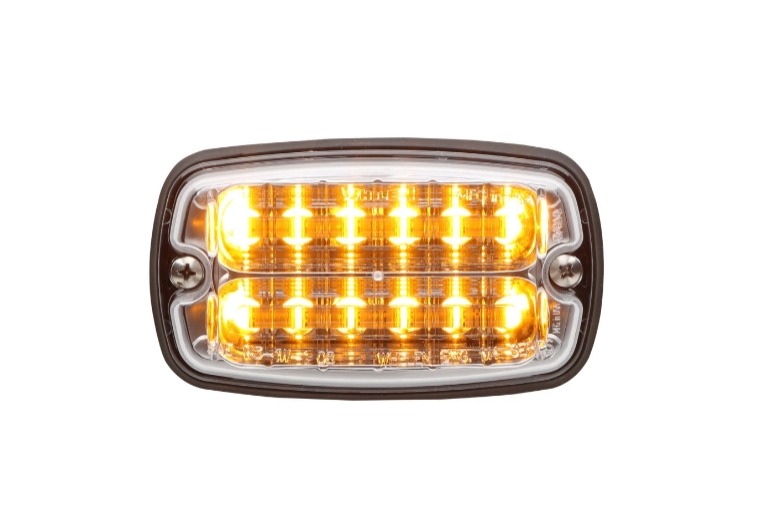
- Surface-mounted lightheads for permanent warning setups. If you’re upgrading a truck’s built-in warning lighting rather than adding a portable unit, something like our M4 Surface-Mounted Lightheads give you a durable, code-compliant amber option built for constant use, not occasional deployment.
- Wireless tow lights reduce failure points elsewhere on the setup. Wired trailer light connections are one of the most common failure points on a tow rig — corroded pins, snapped cables, a connector that didn’t seat right. A wireless setup like the Towmate 22″ Wireless Tow Light removes that variable entirely for towed-vehicle lighting.
You can browse our full lighting selection anytime here, or call our parts line at 800-481-0501 if you’re not sure what fits your specific setup.
Related Reading
If you’re thinking through your truck’s full accessory setup, not just lighting, our post on must-have tow truck accessories covers the other gear worth keeping stocked. And if winter visibility is part of what’s driving the upgrade, Winter Towing Safety: Operating Recovery Equipment in Snow and Ice goes deeper into cold-weather operating conditions across New England.
This article is for general informational purposes and reflects publicly available sources as of 2026. It is not legal advice. Always confirm current requirements with your state DMV/RMV.